
7 Questions to Ask Before Booking Microneedling
Updated:
Choosing PRP treatment isn't just about finding a provider. It's about comparing how the treatment fits your skin or hair goals, what the process actually includes, and which limitations might change your decision. At Sage and Skin Aesthetics, PRP is offered as a natural, minimally invasive option for skin rejuvenation and hair restoration. But before you book, you need to compare seven specific things—starting with whether PRP is even the right choice for you.
Article checklist:
- Key Takeaways
- What should I compare when choosing PRP treatment?
- Suitability: Is PRP right for your specific concern?
- What's included in the treatment session?
- Limitations and expected downtime
- Number of sessions needed
- Provider experience and technique
- Cost and package transparency
- Alternative treatments that might work better
- Your PRP comparison checklist
Key Takeaways
- PRP uses your own blood to promote collagen production and tissue repair, but it's not a one-size-fits-all treatment.
- Compare your specific concern (acne scars, fine lines, hair thinning) against PRP's known strengths and limitations.
- Ask what's included in the treatment session, how many sessions are typically needed, and what aftercare is required.
- Consider alternatives like microneedling alone or exosome therapy, which may be better suited for certain goals.
- Always verify the provider's experience, sterile technique, and whether they use imaging or other tools to plan your treatment.
What should I compare when choosing PRP treatment?
You should compare seven decision-stage factors: suitability for your specific concern, what the treatment includes, limitations and expected downtime, number of sessions needed, provider experience and technique, cost and package transparency, and alternative treatments that might work better. Each factor affects whether PRP will meet your goals—and whether another option at the same clinic might be a smarter choice.
1. Suitability: Is PRP right for your specific concern?
PRP is not equally effective for every skin or hair issue. According to Sage and Skin Aesthetics, PRP treatment is a natural, minimally invasive solution for skin rejuvenation and hair restoration. It uses growth factors from your own blood to promote collagen production, tissue repair, and natural hair growth. That makes it a reasonable option for improving skin texture, reducing fine lines, or addressing thinning hair. However, if your main concern is deep acne scars or significant volume loss, PRP alone may not be enough—you might need to combine it with microneedling or dermal fillers.
What to ask: "Based on my specific concern, what results can I realistically expect from PRP alone?"
2. What's included in the treatment session?
PRP treatment involves drawing a small amount of your blood, processing it to concentrate the platelets, and then injecting or applying the plasma to the target area. But not all PRP sessions are identical. Some providers include a topical numbing cream, while others may charge extra. Some combine PRP with microneedling for enhanced absorption, while others offer it as a standalone injection. At Sage and Skin Aesthetics, the PRP treatment page describes the process but does not list a detailed step-by-step breakdown or what is included in the base price. You should verify whether the quoted price covers the blood draw, centrifugation, numbing, and the application itself.
What to ask: "Can you walk me through exactly what happens during the session and what's included in the price?"
3. Limitations and expected downtime
PRP is minimally invasive, but it's not zero-downtime. You may experience redness, swelling, or mild bruising at the injection or microneedling site. The Sage and Skin Aesthetics website states that PRP requires minimal downtime and provides gradual, noticeable results that enhance over time. However, "minimal" can mean different things to different people. If you have a major event coming up, you need to know how many days of redness to expect and whether you should avoid makeup or sun exposure afterward.
What to ask: "What should I expect in the first 24–48 hours, and when can I return to normal activities?"
4. Number of sessions needed

PRP is rarely a one-and-done treatment. Most patients need a series of sessions spaced several weeks apart to see optimal results, especially for hair restoration. The Sage and Skin Aesthetics website does not specify a recommended number of sessions for PRP. This is a critical gap because the total cost and time commitment depend on it. A single session might cost a few hundred dollars, but if you need three or four, the investment multiplies.
What to ask: "How many sessions do you typically recommend for my concern, and how far apart should they be?"
5. Provider experience and technique
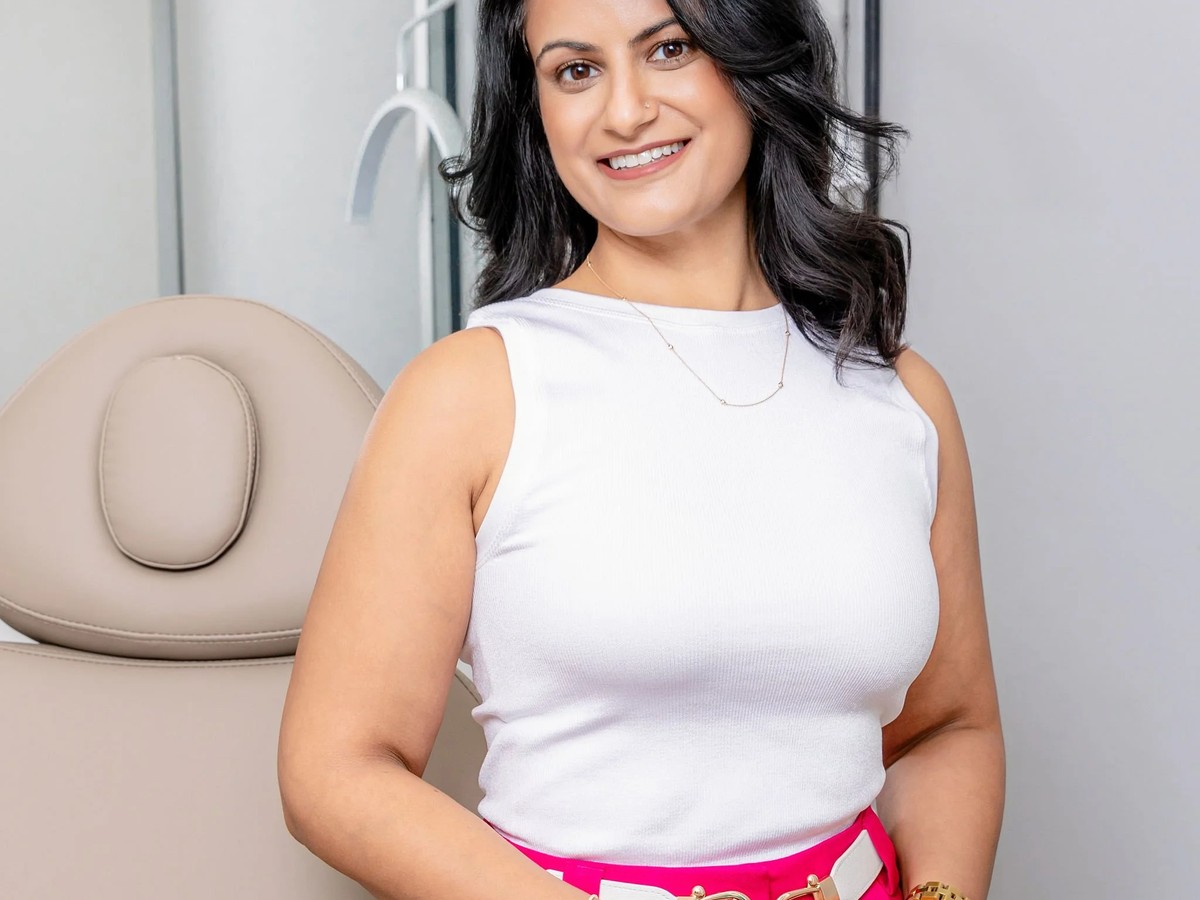
PRP outcomes depend heavily on how the blood is processed and how the plasma is delivered. Some providers use a single-spin method, while others use a double-spin to concentrate platelets more effectively. The depth of injection or microneedling also matters. At Sage and Skin Aesthetics, the co-founder Dipti Desai, PA-C, has over 16 years of experience in pain management and a passion for aesthetics, but the website does not detail her specific PRP training or the equipment used. You should ask about the provider's experience with PRP specifically, not just general aesthetics.
What to ask: "How many PRP treatments have you performed, and what system do you use to prepare the plasma?"
6. Cost and package transparency
PRP pricing varies widely, and it's often not listed on clinic websites. Sage and Skin Aesthetics does not publish PRP prices online. You should ask for a written quote that includes all sessions, any add-ons like numbing cream or microneedling, and whether there are package discounts. Be wary of prices that seem too low—they may reflect a lower platelet concentration or a less experienced injector.
What to ask: "Can you give me a written breakdown of the total cost for the recommended number of sessions, including any additional fees?"
7. Alternative treatments that might work better
PRP is not the only regenerative option. At Sage and Skin Aesthetics, microneedling alone is a versatile, minimally invasive treatment that stimulates collagen and elastin production. Exosome therapy is another option that uses cell-derived particles to support skin rejuvenation and hair restoration. If your main goal is improving acne scars or overall skin texture, microneedling without PRP might be sufficient and less expensive. If you want a more potent regenerative boost, exosomes might be worth comparing. The key is to ask your provider to explain the trade-offs between PRP, microneedling, and exosomes for your specific case.
What to ask: "For my goals, how does PRP compare to microneedling alone or exosome therapy in terms of results, downtime, and cost?"
Your PRP comparison checklist
Before you book, run through this quick checklist:
- ☐ I have a clear understanding of what PRP can and cannot do for my specific concern.
- ☐ I know exactly what is included in the treatment session and what costs extra.
- ☐ I understand the expected downtime and aftercare requirements.
- ☐ I know how many sessions I'll likely need and the total cost.
- ☐ I've asked about the provider's PRP experience and the preparation method.
- ☐ I've compared PRP to at least one alternative treatment.
- ☐ I have a written quote and a clear next step for booking or consultation.
If you're considering PRP at Sage and Skin Aesthetics, start by reviewing their PRP treatment page and then schedule a consultation to ask these seven questions. You can also learn more about microneedling as a potential alternative or complement.
Frequently Asked Questions
Is PRP treatment painful?
Most patients tolerate PRP well, especially when a topical numbing cream is applied beforehand. The injections or microneedling may cause mild discomfort, but it is usually brief. Ask your provider about pain management options during your consultation.
How long do PRP results last?
Results vary, but many patients see gradual improvement over several weeks to months. Maintenance sessions may be needed to sustain the effects. Your provider can give you a realistic timeline based on your specific treatment area.
Can PRP be combined with other treatments?
Yes, PRP is often combined with microneedling to enhance absorption and results. It may also be used alongside other aesthetic treatments. Discuss combination options with your provider to see if they align with your goals.