
Is Exosome Therapy Right for You? Alternatives to Consider
Updated:
If you're considering regenerative treatments for skin rejuvenation or hair restoration, you've likely encountered both PRP (platelet-rich plasma) and exosome therapy. Both are non-surgical options that aim to harness your body's natural healing abilities, but they differ in how they work, what they contain, and what you can expect. This guide compares the two approaches side by side, so you can weigh the tradeoffs and decide which might be a better fit for your goals.
Why Consider a Regenerative Treatment?
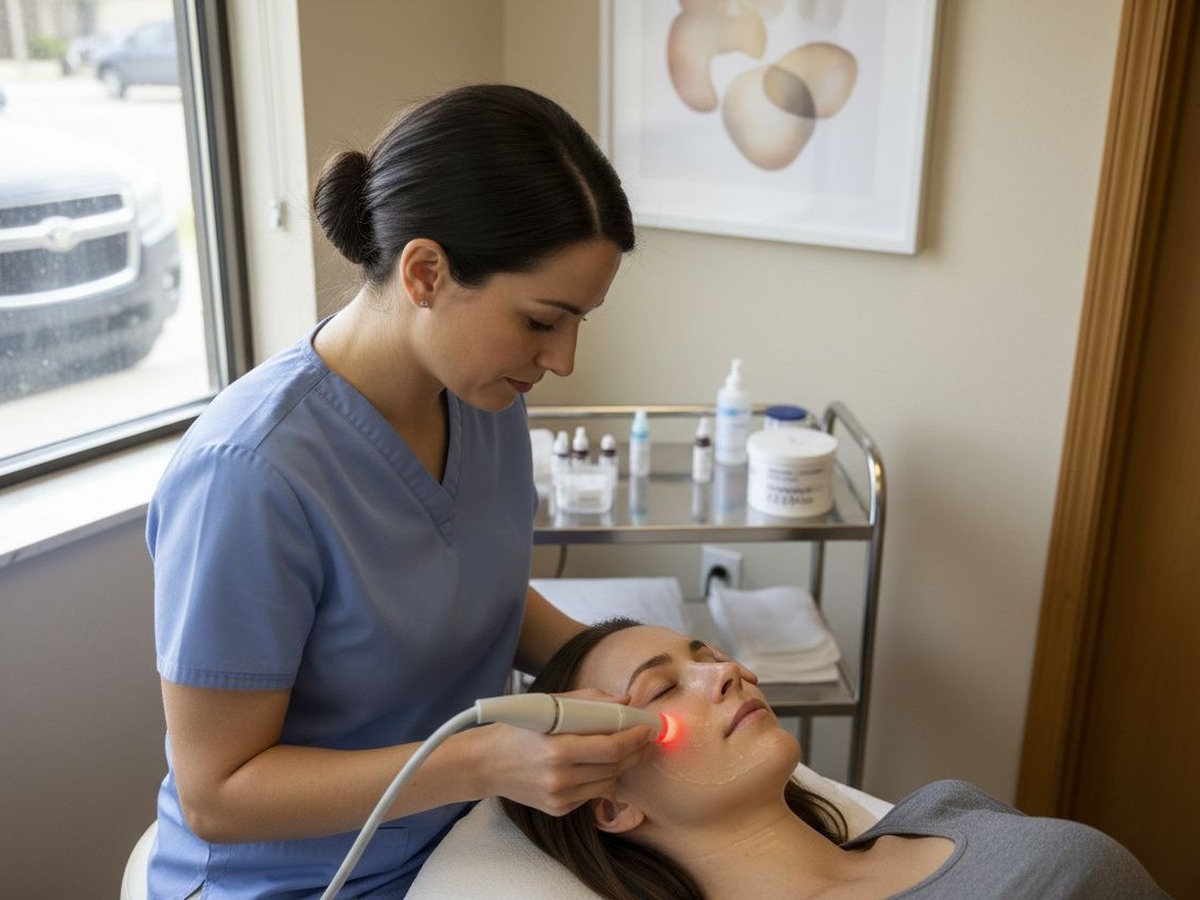
Regenerative treatments like PRP and exosome therapy are designed to support your body's own repair mechanisms. They are often chosen by people who want to improve skin texture, reduce fine lines, or address hair thinning without undergoing surgery. Both treatments are minimally invasive and typically involve little downtime, making them appealing alternatives to more aggressive procedures.
PRP Treatment: Using Your Own Blood
PRP, or platelet-rich plasma, is derived from your own blood. A small sample is drawn and then processed to concentrate the platelets, which contain growth factors that can stimulate collagen production and tissue repair. At Sage and Skin Aesthetics, PRP is offered for both skin rejuvenation and hair restoration. Because it uses your own blood, the risk of allergic reaction is low, and the treatment is considered safe for most skin types.
Best fit: PRP is a good option if you prefer a treatment that uses only your own biological material and you are comfortable with a blood draw. It is often recommended for early signs of aging or mild hair thinning.
Limitations: PRP results can vary depending on the concentration of platelets and your overall health. Multiple sessions are usually needed to see noticeable improvement, and the effects may take several weeks to appear as collagen builds gradually.
Exosome Therapy: Cell-Derived Signaling
Exosome therapy uses exosomes—tiny particles naturally produced by stem cells—that carry growth factors and proteins to aid in cellular repair and regeneration. Unlike PRP, exosomes are not derived from your own body; they are typically sourced from donor cells in a laboratory setting. At Sage and Skin Aesthetics, exosome treatment is offered for skin rejuvenation and hair restoration, with the goal of improving texture, reducing wrinkles, and addressing hair thinning.
Best fit: Exosome therapy may be suitable if you want a treatment with a higher concentration of signaling molecules than PRP, or if you prefer to avoid a blood draw. It is often considered for more advanced signs of aging or hair loss.
Limitations: Because exosomes are not from your own body, there is a theoretical risk of immune reaction, though this is rare. The sourcing and quality of exosomes can vary, so it's important to ask about the product's origin and testing. Exosome therapy may also be more expensive than PRP.
Comparing PRP and Exosome Therapy
To help you evaluate the two options, here is a side-by-side comparison using the same criteria:
| Criteria | PRP Treatment | Exosome Therapy |
|---|---|---|
| Source of active ingredients | Your own blood (platelets) | Donor-derived exosomes (cell particles) |
| Mechanism | Growth factors from platelets stimulate collagen and tissue repair | Exosomes deliver signaling molecules to promote cellular repair |
| Downtime | Minimal; may have mild redness or swelling for a day | Minimal; similar mild redness or swelling |
| Number of sessions | Typically 3-4 sessions spaced weeks apart | Often fewer sessions, but varies by individual |
| Onset of results | Gradual over weeks to months | May be faster due to higher concentration of signals |
| Cost | Generally lower | Generally higher |
| Risk of allergic reaction | Very low (autologous) | Low but possible (allogeneic) |
Note: The information in this table is based on general knowledge of these treatments and the services offered by Sage and Skin Aesthetics. Individual experiences may vary, and a consultation is necessary to determine the best option for you.
What Should You Compare When Choosing PRP Treatment?
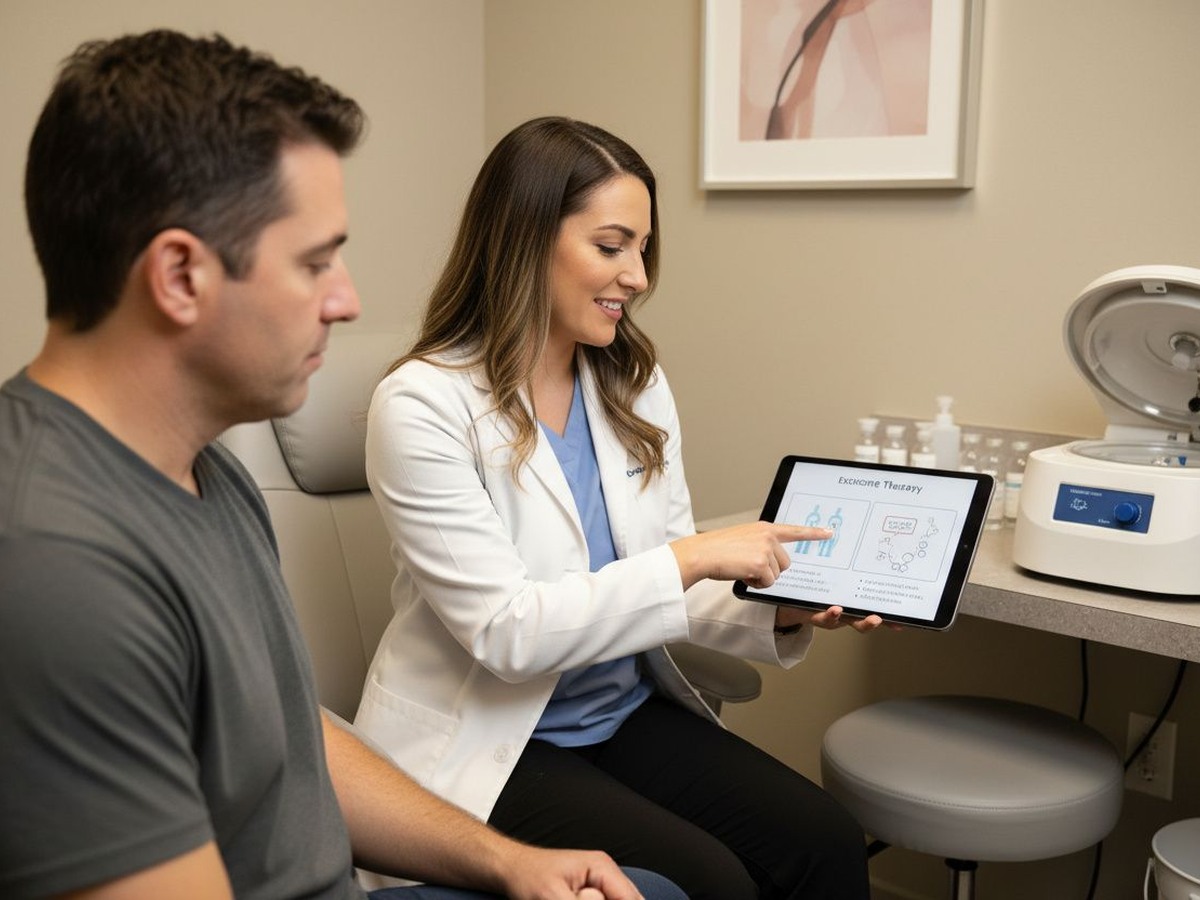
If you're leaning toward PRP, here are the key factors to evaluate:
- Preparation method: Ask how the PRP is prepared—what centrifuge system is used and whether the platelet concentration is measured. Higher platelet concentration may correlate with better results, but this is not guaranteed.
- Injection technique: For hair restoration, the depth and pattern of injections matter. For skin, microneedling with PRP may be more effective than topical application.
- Provider experience: Ensure the practitioner is trained in PRP procedures and has experience with your specific concern.
- Cost and package: PRP is often sold as a series; ask about the total cost for the recommended number of sessions.
- Expected downtime: While minimal, you may have redness or bruising; plan accordingly.
When Might Exosome Therapy Be a Better Fit?
Exosome therapy might be preferable if:
- You want a treatment with a higher concentration of growth factors and signaling molecules.
- You prefer to avoid a blood draw or have difficulty with blood draws.
- You have already tried PRP with limited results and are looking for a more potent option.
- You are willing to invest more for potentially faster or more dramatic results.
However, because exosomes are not autologous, it's crucial to ask about the source, quality control, and any clinical evidence supporting the specific product used.
Selection Checklist: PRP vs. Exosome Therapy
Use this checklist to guide your decision-making process:
| Checklist Item | PRP | Exosome |
|---|---|---|
| I am comfortable with a blood draw | ☐ Yes | ☐ No |
| I prefer using only my own biological material | ☐ Yes | ☐ No |
| I want the highest concentration of growth factors | ☐ No | ☐ Yes |
| I am concerned about cost | ☐ Yes | ☐ No |
| I have had limited results with PRP before | ☐ No | ☐ Yes |
| I am willing to undergo multiple sessions | ☐ Yes | ☐ Maybe |
Remember, this checklist is a starting point. A thorough consultation with a qualified provider is essential to assess your individual needs and medical history.
Next Steps
Both PRP and exosome therapy are available at Sage and Skin Aesthetics in Dallas, TX. To determine which treatment aligns with your goals, schedule a consultation where you can discuss your concerns, review your medical history, and ask specific questions about the products and techniques used. You can also explore hair restoration options if that is your primary concern.
Frequently Asked Questions
Is PRP or exosome therapy better for hair loss?
Both treatments can support hair restoration, but they work differently. PRP uses your own platelets to stimulate follicles, while exosome therapy delivers a higher concentration of signaling molecules. The best choice depends on the cause and extent of your hair loss, your budget, and your preference for autologous vs. donor-derived products. A consultation can help determine which is more suitable for your situation.
How many sessions of PRP or exosome therapy will I need?
PRP typically requires a series of 3-4 sessions spaced several weeks apart for optimal results. Exosome therapy may require fewer sessions due to its higher concentration of growth factors, but this varies by individual and the specific product used. Your provider can recommend a treatment plan based on your goals and response.
Are there any side effects with PRP or exosome therapy?
Both treatments are minimally invasive with minimal downtime. Common side effects include temporary redness, swelling, or bruising at the injection site. PRP carries a very low risk of allergic reaction because it uses your own blood. Exosome therapy has a low but possible risk of immune reaction since it uses donor-derived material. Always discuss potential risks with your provider.
Can I combine PRP and exosome therapy?
Some providers may offer combination treatments, but this should be discussed on a case-by-case basis. Combining therapies could potentially enhance results, but it may also increase cost and complexity. Ask your provider if a combination approach is appropriate for your specific concerns.