
Updated:
PRP treatment is not a single standardized procedure. The right choice depends on what you are treating, how the clinic prepares the plasma, and what you are willing to do before and after the appointment. Before you book, compare the treatment scope, the preparation steps, and the questions you still need answered.
What PRP Treatment Actually Involves
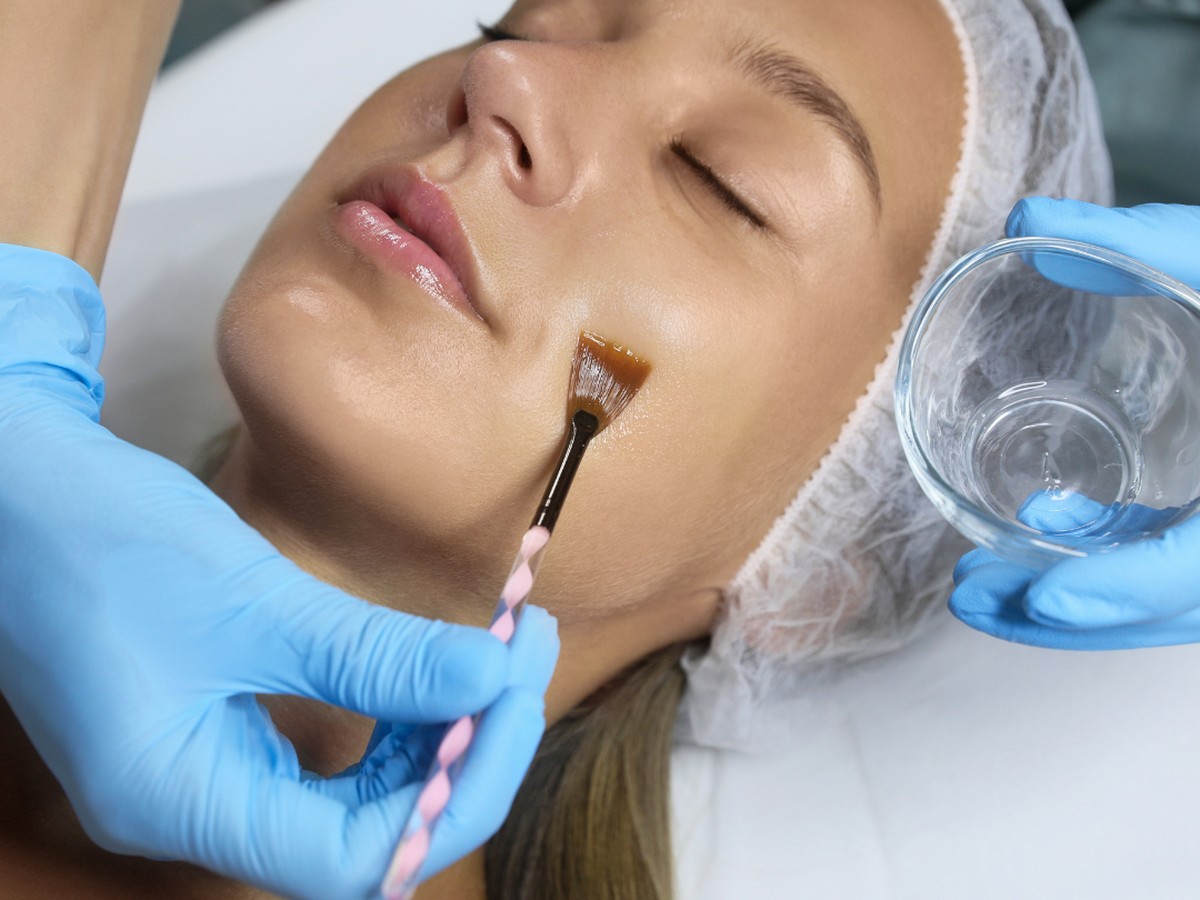
PRP stands for platelet-rich plasma. It is a concentration of platelets and growth factors taken from your own blood. At Sage and Skin Aesthetics, PRP treatment is described as a natural, minimally invasive option for skin rejuvenation and hair restoration. The clinic states that PRP uses growth factors from your own blood to promote collagen production, tissue repair, and natural hair growth.
That means the service can be used for two different goals: improving skin texture and reducing fine lines, or addressing thinning hair. The preparation and aftercare may differ depending on which goal you choose. Ask the provider which protocol they use for your specific concern.
What to Compare Before Choosing a PRP Provider
Use the same criteria for every clinic you consider. These factors determine whether the treatment fits your situation and what you should expect.
- Blood draw and processing method. PRP requires a blood draw. Ask how the clinic separates the platelets and whether they use a centrifuge system designed for PRP. The concentration of platelets can affect the treatment.
- Injection or topical application. For skin rejuvenation, PRP may be injected or applied after microneedling. For hair restoration, it is typically injected into the scalp. Confirm which method the provider uses and why.
- Number of sessions. PRP results are gradual and often require a series of treatments. Ask how many sessions are typically recommended for your concern and how far apart they are scheduled.
- Downtime and aftercare. PRP is described as requiring minimal downtime, but you may have redness, swelling, or bruising at the injection sites. Ask what to expect and what activities to avoid afterward.
- Who performs the treatment. PRP involves a blood draw and injections. Ask about the qualifications of the person performing the procedure and whether a medical professional oversees it.
When PRP Treatment Is a Suitable Option
PRP may be suitable if you want a treatment that uses your own biology and you are comfortable with a blood draw and injections. It is often considered for early signs of skin aging or mild to moderate hair thinning. It is not a quick fix; results develop over weeks to months as your body responds to the growth factors.
If you are looking for immediate volume or wrinkle reduction, a different treatment such as dermal fillers or neurotoxins may be more appropriate. Sage and Skin Aesthetics offers both, and a consultation can help you compare options based on your goals.
What Is Included, and What Must You Verify?

The clinic's PRP page states that PRP is safe for most skin types and requires minimal downtime. However, individual suitability depends on your medical history, current medications, and the specific area being treated. Before booking, verify:
- Whether you need to stop any medications or supplements before the blood draw.
- Whether the quoted price includes the blood draw, processing, and all injections.
- What the clinic's policy is if you need additional sessions or if results are not as expected.
- Whether a consultation is required before the first treatment and what it costs.
Do not assume that all PRP treatments are identical. The equipment, technique, and provider experience can vary. Ask for specifics rather than relying on general claims.
Limitations and Alternatives That Change the Decision
PRP is not a guaranteed treatment. Results vary from person to person, and some people may see little improvement. The clinic's website does not publish specific success rates or before-and-after photos, so you should ask for evidence relevant to your concern during a consultation.
Alternatives to consider:
- Microneedling without PRP – stimulates collagen but does not use growth factors from your blood.
- Exosome therapy – uses cell-derived particles to support skin rejuvenation and hair restoration, as described on the clinic's exosome treatment page.
- Neurotoxins or dermal fillers – address wrinkles and volume loss more directly but do not use your own blood.
Each option has a different mechanism, downtime, and expected timeline. Compare them using the same criteria: what it treats, how it works, how many sessions, and what you must do before and after.
Your Next Step: Ask These Questions First
Before you book a PRP treatment, contact the clinic and ask:
- Which PRP system do you use, and what platelet concentration do you aim for?
- For my specific concern (skin or hair), how many sessions do you typically recommend?
- What should I avoid before the blood draw and after the injections?
- Who will perform the blood draw and injections, and what are their qualifications?
- What is the total cost for the recommended series, and what does it include?
You can start by reviewing the clinic's PRP treatment page and then call to confirm the details. If you are still deciding between PRP and another option, the clinic's full service list can help you see what else is available.
Frequently Asked Questions
What should I compare when choosing PRP treatment?
Compare the blood draw and processing method, injection or topical application, number of sessions, downtime and aftercare, and who performs the treatment. These factors affect the treatment's fit for your concern and your overall experience.
Is PRP treatment safe for all skin types?
The clinic's PRP page states that PRP is safe for most skin types. However, individual suitability depends on your medical history and current medications. Always discuss your specific situation with a qualified provider.
How many PRP sessions will I need?
The number of sessions varies by concern and individual response. PRP results are gradual and often require a series of treatments. Ask the provider how many sessions they typically recommend for your specific goal.
What is the downtime after PRP treatment?
PRP is described as requiring minimal downtime, but you may experience redness, swelling, or bruising at the injection sites. Ask the clinic what to expect and what activities to avoid afterward.