
Updated:
Preparing for dermal fillers is not about doing the treatment yourself—it is about making sure your skin, your schedule, and your provider are ready for a safe, predictable appointment. The right preparation reduces avoidable bruising, helps your injector plan the right amount of product, and gives you a clear way to check that the treatment matches what you discussed. This checklist walks through the practical steps you can take before your appointment, without turning professional injection into a DIY project.
What to Do Before Your Dermal Filler Appointment
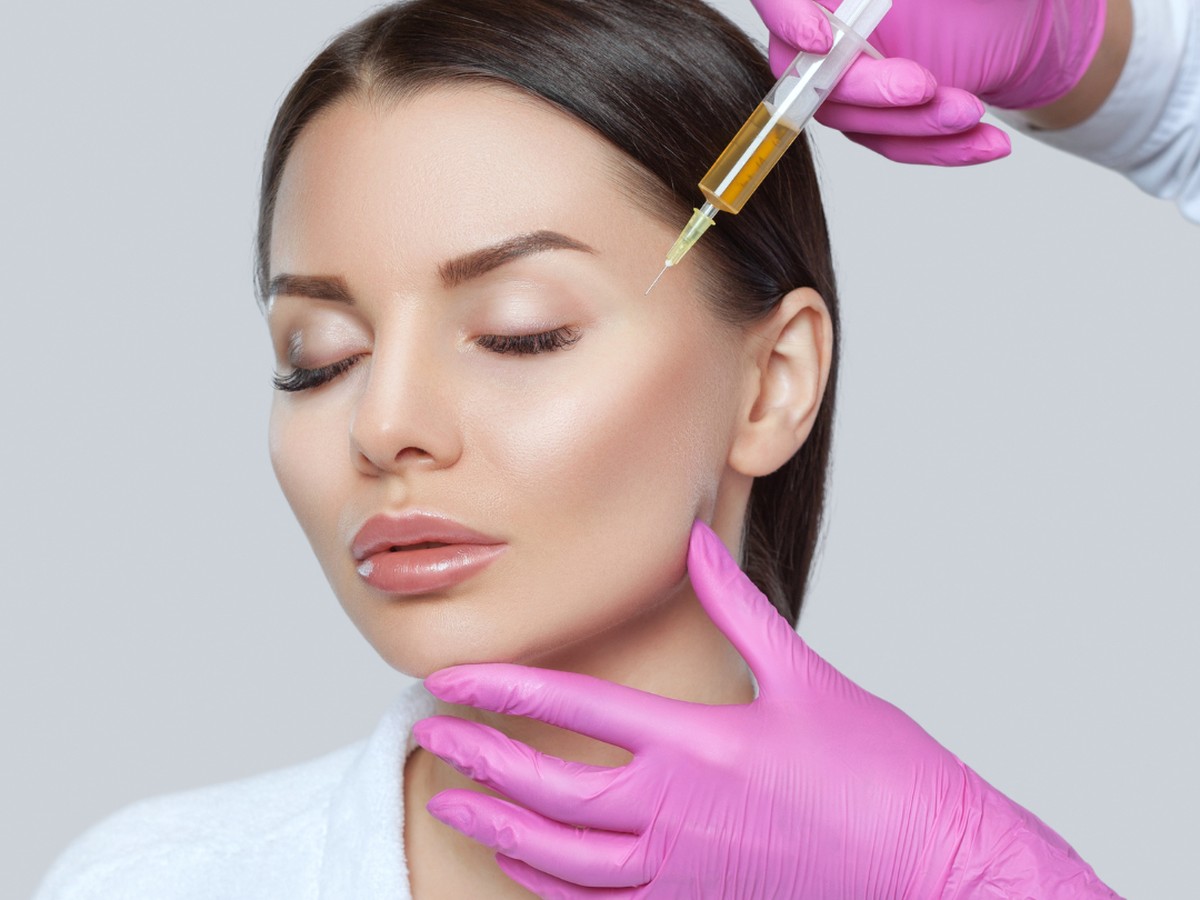
Dermal fillers are injectable treatments made from hyaluronic acid, a substance naturally found in the skin. At Sage and Skin Aesthetics, fillers are used to target areas such as lips, cheeks, jawline, and nasolabial folds. Because the procedure involves needles and can cause temporary bruising or swelling, preparation focuses on reducing those risks and making sure you and your provider agree on the plan.
Prerequisites: What You Need Before You Start
- ☐ A confirmed appointment with a licensed injector who has examined your face or reviewed your photos.
- ☐ A clear idea of the area you want to treat and the change you hope to see.
- ☐ A list of all medications, supplements, and allergies you have.
- ☐ A way to pay for the treatment, including any financing options you plan to use.
Step-by-Step Preparation Checklist
Follow these steps in order. Each step includes a way to verify you have completed it.
- Stop blood-thinning medications and supplements as directed. Many providers recommend avoiding aspirin, ibuprofen, naproxen, fish oil, vitamin E, and certain herbal supplements for about one week before filler injections. These can increase bruising. Do not stop prescription blood thinners without your prescribing doctor's approval. Verify: You have a written list of what to avoid and for how long, from your injector.
- Avoid alcohol for 24–48 hours before your appointment. Alcohol can dilate blood vessels and increase the chance of bruising and swelling. Verify: You have planned alcohol-free days before the appointment.
- Arrive with clean skin. Wash your face with a gentle cleanser and do not apply makeup, moisturizer, or sunscreen to the treatment area. Verify: Your skin is bare and free of products when you sit in the treatment chair.
- Discuss your goals and the product plan with your injector. Ask which filler will be used, how many syringes are planned, and where exactly it will be placed. Ask to see before-and-after photos of similar cases if available. Verify: You and the injector agree on the areas and the expected volume before any injection begins.
- Review the aftercare instructions before you leave. Ask what to expect in the first 24–48 hours, when you can resume exercise, and what signs would require a call back. Verify: You have written aftercare instructions or know exactly where to find them.
How to Verify You Are Ready
Use this quick checklist on the morning of your appointment:
- ☐ I have not taken any blood-thinning medication or supplement within the advised window.
- ☐ I have not consumed alcohol in the last 24–48 hours.
- ☐ My face is clean and free of makeup or skincare products.
- ☐ I know which filler and how many syringes are planned.
- ☐ I have my payment method and any financing details ready.
- ☐ I have arranged transportation if I expect to feel anxious or if the provider recommends it.
Common Mistakes to Avoid

Even well-prepared clients can overlook a few things. Here are the most common preparation mistakes and how to avoid them.
Mistake 1: Not disclosing all medications and supplements
Some supplements, like ginkgo biloba or high-dose garlic, can thin the blood just like aspirin. Bring a complete list, including over-the-counter products, to your appointment.
Mistake 2: Scheduling filler right before a major event
Bruising and swelling can take a few days to resolve. If you have a wedding, photo shoot, or important meeting, plan your filler at least two weeks in advance, or ask your injector about the expected downtime.
Mistake 3: Assuming all fillers are the same
Different hyaluronic acid fillers have different thicknesses and are designed for different areas. A filler used for lips may not be ideal for cheeks. Ask your injector why they chose a specific product for your concern.
What to Compare When Choosing PRP Treatment
While this article focuses on dermal fillers, many clients also consider platelet-rich plasma (PRP) treatment for skin rejuvenation or hair restoration. If you are comparing PRP providers, use the same careful approach: ask about the specific process, what is included in the quote, and how the treatment fits your goal. Sage and Skin Aesthetics offers PRP as a natural, minimally invasive option, but you should still compare these factors before booking:
- ☐ What is included in the treatment? Does the quote cover the blood draw, processing, and injection, or are there separate fees?
- ☐ Who performs the treatment? Ask about the injector's training and experience with PRP.
- ☐ How many sessions are typically recommended? PRP often requires a series for best results; ask for a realistic estimate.
- ☐ What is the expected downtime? PRP may cause redness or swelling for a day or two.
- ☐ Are there any add-ons, like microneedling with PRP? Some providers combine PRP with microneedling for enhanced results; ask if that is an option and how it changes the cost.
For more on comparing PRP treatment, see 7 Questions to Ask Before Booking Microneedling.
Next Steps After Preparation
Once you have completed the checklist, you are ready for your appointment. After your filler treatment, follow the aftercare instructions carefully. If you have questions about combining fillers with other treatments like PRP or exosomes, ask your provider during the consultation. To review all services offered at Sage and Skin Aesthetics, visit the medspa services page.
Remember, preparation is about reducing risk and setting clear expectations. It does not replace the skill of a trained injector, but it makes their job easier and your recovery smoother.